
The Rise of Pets in the Workplace: Enhancing Office Design and Boosting Productivity
- The Eggleston Group

- Jan 15
- 3 min read
Pets are becoming a common sight in many workplaces, transforming traditional office spaces into more welcoming and dynamic environments. From dogs and cats to lizards and goldfish, animals are making their way into offices, influencing not only the atmosphere but also the design of office furniture and overall productivity. This trend reflects a shift in how companies view employee well-being and work-life balance.

How Pets Influence Office Furniture Design
Introducing pets to the workplace requires thoughtful adjustments to office furniture and layout. Traditional desks and chairs often do not accommodate the needs of animals or their owners. As a result, designers and companies are rethinking office setups to create pet-friendly spaces that blend functionality with comfort.
Pet Zones: Dedicated areas with soft flooring, pet beds, and feeding stations help keep pets comfortable without disrupting work. These zones often feature durable, easy-to-clean materials.
Integrated Furniture: Desks and seating now sometimes include built-in pet spaces, such as under-desk dog beds or cat shelves, allowing pets to stay close to their owners.
Flexible Layouts: Open floor plans with movable furniture enable employees to create personal spaces for their pets, encouraging interaction without crowding.
Safety and Hygiene: Furniture materials are chosen for their resistance to scratches, spills, and odors, ensuring a clean and safe environment for everyone.
For example, a tech startup in Seattle redesigned its office with low-profile couches and pet-friendly rugs, creating a relaxed atmosphere where dogs can lounge near their owners. This setup not only supports pets but also encourages informal meetings and collaboration.
The Impact of Pets on Productivity and Employee Well-being
Having pets in the workplace can positively affect productivity and morale. Research shows that pets reduce stress and increase job satisfaction, which can lead to better focus and creativity.
Stress Reduction: Interacting with pets lowers cortisol levels, the hormone linked to stress, helping employees stay calm during busy or challenging days.
Increased Breaks: Pets encourage employees to take short breaks for walks or play, which can refresh the mind and reduce burnout.
Improved Social Interaction: Pets act as social catalysts, fostering communication and teamwork among colleagues who might not otherwise interact.
Enhanced Job Satisfaction: Employees often feel more valued and supported in pet-friendly workplaces, which can reduce turnover rates.
A study by Virginia Commonwealth University found that employees who brought their dogs to work reported feeling less stressed and more connected to their workplace community. This sense of belonging can translate into higher engagement and productivity.

Challenges and Considerations for Pet-Friendly Offices
While pets bring many benefits, integrating them into the workplace requires careful planning to address potential challenges.
Allergies and Phobias: Not all employees are comfortable around animals. Clear policies and designated pet-free zones help accommodate everyone’s needs.
Noise and Distractions: Barking dogs or active pets can disrupt concentration. Training and pet etiquette guidelines are essential.
Cleanliness: Regular cleaning schedules and pet hygiene standards maintain a healthy environment.
Pet Behavior: Only well-behaved and vaccinated pets should be allowed, with clear rules for owners to follow.
Employers can conduct surveys to understand employee preferences and concerns before implementing pet-friendly policies. This approach ensures a balanced environment that supports both pet owners and non-owners.
Designing for Diverse Pets
Pets in the workplace are not limited to dogs and cats. Lizards, goldfish, and other small animals also find their place, influencing design choices.
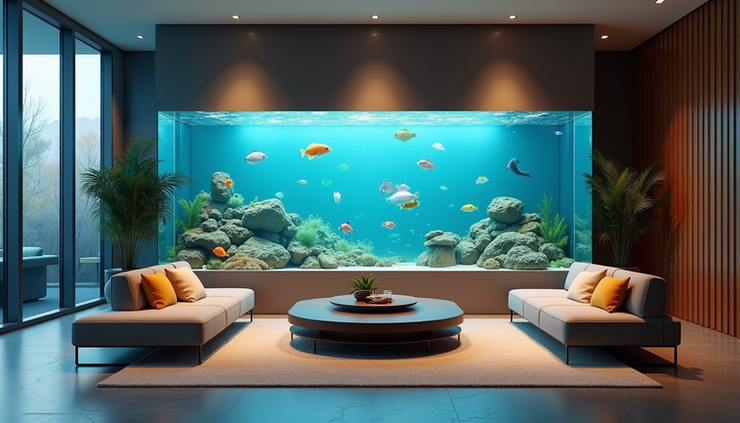
Aquariums and Terrariums: These require stable surfaces, controlled lighting, and easy access for maintenance. They add a calming visual element to the office.
Small Animal Habitats: Enclosures for reptiles or rodents need to be secure and placed away from high-traffic areas to reduce stress.
Pet Safety: Furniture edges and materials should be safe for curious pets, avoiding sharp corners or toxic substances.
For instance, a creative agency installed a large aquarium in their lounge area, which became a focal point for relaxation and informal discussions. This addition improved the overall ambiance and provided a soothing presence.


Comments